Creating the Functional and Structural Elements of Outdoor Living Spaces
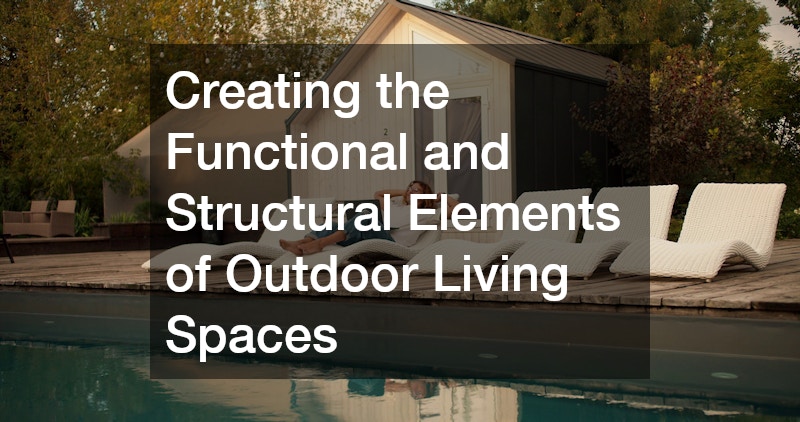
The modern backyard is no longer just a patch of grass with a few folding chairs; it has evolved into a fully realized extension of the home interior. Today, homeowners view their outdoor environments as dynamic arenas for relaxation, culinary exploration, and social gathering. To transform an open plot of land into a sophisticated sanctuary, you must approach the project through two distinct lenses: the functional and the structural.
Functional elements dictate how you experience the space—how foot traffic flows from one zone to another, how comfortable you remain during a chilly evening, and how easily you can transition from prepping food to hosting a dinner party. Structural elements, on the other hand, provide the engineering backbone. They are the foundations, retaining boundaries, and heavy-duty frameworks that ensure your investments withstand shifting soils, torrential downpours, and the steady march of time.
Balancing these two forces requires deliberate planning. If you focus entirely on the aesthetics of the furniture and the layout of the garden paths without anchoring them to robust infrastructure, the space will quickly deteriorate under the elements. Conversely, a backyard that is over-engineered without an eye for human comfort can feel cold and uninviting.
Optimizing the Transition: Blending Indoor Comfort with the Outdoors
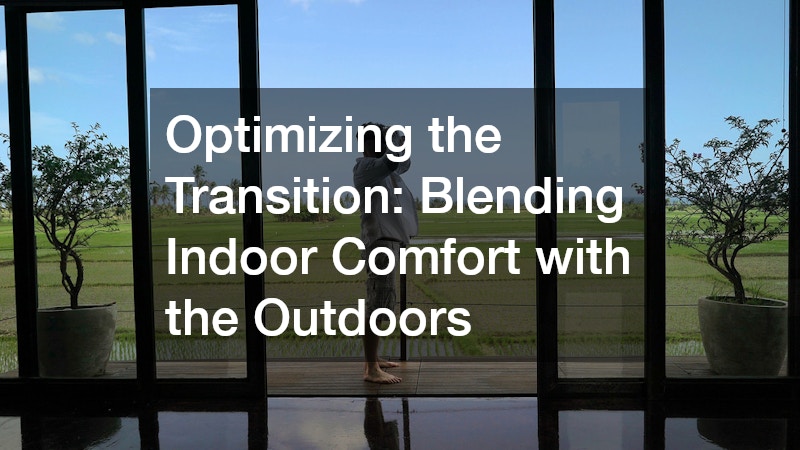
The success of an outdoor living environment depends heavily on how naturally it connects to your primary indoor communal zones. A jarring transition—such as a steep, awkward step out of a dark hallway onto a sun-scorched patch of dirt—discourages daily use. To create a magnetic pull toward the backyard, architects focus heavily on the threshold, treating the boundary between inside and out as a fluid zone rather than a hard line.
To truly erase the boundary, consider implementing wide-aperture openings. Traditional single doors constrict movement and isolate the interior of the house from the exterior landscape. Replacing these restrictive barriers with expansive glass sliding doors completely alters the psychological perception of space. When these glass panels glide open on low-profile, flush-mounted tracks, the indoor floor plan appears to double in size.
- Ensure the bottom track is recessed into the flooring substrate during installation to eliminate tripping hazards and allow wheelchairs or food carts to pass seamlessly.
- Opt for multi-pane glass with low-emissivity coatings to ensure your indoor climate control isn’t compromised by the massive glass surface area.
- Position your primary indoor seating so it faces the glass opening, drawing the eye directly toward your outdoor focal points, such as a water feature or a manicured garden bed.
Beyond the physical threshold, you must plan for structural continuity. An outdoor living space should look like it was conceived alongside the original house, rather than tacked on as an afterthought decades later. This requires matching architectural styles, roof pitches, and siding materials.
When planning structural overhead additions like pavilions, pool houses, or extended rooflines, relying on professional home construction services ensures that the new load-bearing elements tie safely into your existing framing. This protects your home’s roof from structural sagging and guarantees that all new weight is distributed evenly down to frost-line foundations. Furthermore, professional integration ensures that complex structural junctions, like the valleys where a new patio roof meets your existing roofline, are completely weatherproofed against leaks.
The Foundation: Hardscaping for Durability and Flow
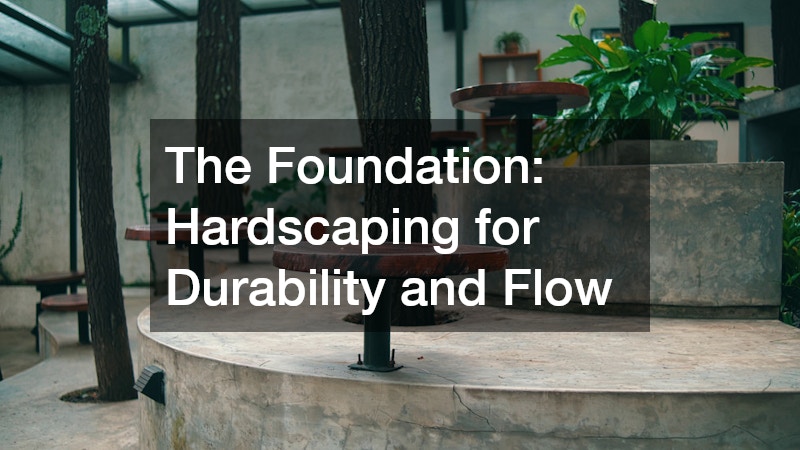
Once you have established a flawless transition out of the house, your attention must turn to the ground beneath your feet. Hardscaping forms the physical floor plan of your outdoor environment. It dictates where people gather, how water leaves the property, and where heavy features like stone fireplaces or outdoor kitchens can safely reside.
The primary gathering zone—usually a patio or terrace—requires an uncompromising base layer. While DIY tutorials often make patio installation look as simple as laying down sand and striking stones with a rubber mallet, long-term stability requires deep excavation and mechanical compaction. This is where partnering with a licensed patio contractor pays dividends. A specialist understands how to analyze your local soil composition, determine the correct depth for a gravel sub-base, and pitch the entire surface at a precise slope so that rainwater drains away from your home’s foundation.
Selecting the right surface finish for your hardscape is an equal mix of safety, texture, and artistry. Poured concrete offers incredible versatility, but plain white concrete can look sterile and reflect an uncomfortable amount of sun glare. Utilizing advanced cement finishing techniques can elevate the raw material into something extraordinary.
- Concrete can be imprinted while wet to mimic the exact texture of slate, cobblestone, or even wood planks, giving you a high-end look at a lower material cost.
- Washing away the top layer of concrete paste reveals the smooth stones embedded within, creating a highly tactile, non-slip surface that is perfect for pool decks and high-traffic walkways.
- Applying chemical stains penetrates the concrete permanently, introducing rich, mottled earth tones that blend beautifully with the natural landscape.
For multi-level yards or yards with steep grade changes, vertical hardscaping becomes an absolute necessity. Retaining walls prevent soil erosion and can be designed to pull double duty as built-in bench seating around fire pits. These structures bear immense lateral pressure from wet earth, meaning they cannot be thrown together haphazardly. Engaging a certified masonry company ensures that these walls are engineered with hidden gravel backfills, perforated weep holes to relieve water pressure, and interlocking stone ties that prevent the wall from bowing or collapsing as the ground freezes and thaws throughout the changing seasons.
Vertical Integration: Privacy, Boundaries, and Canopy Management
An exceptional outdoor space should feel like an outdoor room, which means it needs walls just as much as it needs a floor. Without vertical boundaries, a backyard can feel exposed to neighboring windows, vulnerable to prevailing winds, and visually chaotic. Vertical integration allows you to curate views, establish intimate micro-climates, and build a profound sense of security.
The outermost perimeter of your sanctuary is defined by your boundary markers. While privacy hedges are a beautiful option, they take years to mature and require constant water and pruning. A structural boundary offers instant privacy and security. Executing a clean fence installation requires careful attention to wind loads, frost depths, and material science.
- Fence posts should be sunk deep into the ground, generally below the frost line, and encased in concrete poured into a bell-shaped hole to prevent frost heaving from lifting the post out of alignment.
- Choose cedar or pressure-treated lumber for a natural aesthetic, or opt for low-maintenance vinyl and composite boards that never require staining or painting.
- Always check local municipal codes regarding maximum allowable fence heights and setback requirements from property lines before ordering materials.
While fences handle your eye-level boundaries, you must look upward to manage your overhead canopy. Mature trees are incredibly valuable assets; they provide cooling shade that can drop ambient backyard temperatures by up to ten degrees, and they add structural scale that no awning can match. However, untamed or neglected trees pose a severe threat to your structural elements, dropping heavy limbs onto structures or lifting patio stones with their roots.
Bringing in an insured tree service to audit your property is a vital step in backyard preparation. Professional arborists can perform crown thinning to let beautiful, dappled sunlight reach your lower patios while removing hazardous deadwood. They can also perform root pruning or install root barriers to prevent aggressive tree roots from breaking through your newly poured concrete paths or lifting up the edges of your brick pavers.
Elevated Living: Designing Functional Multi-Level Structures

If your property features dramatic slopes, or if your indoor floor plan sits several feet above the ground level of your yard, a ground-level patio may not be practical. In these scenarios, building upward with timber or composite framing allows you to maximize your usable square footage and create sweeping vantage points over your landscape.
An elevated wooden or composite structure requires meticulous engineering because it exists as an independent framing system attached to your home. Designing a custom deck requires an understanding of structural load paths—knowing exactly how weight travels from the decking boards, through the joists, into the primary beams, down the posts, and finally into the concrete footings buried deep in the earth.
- The point where the structure connects to your house is the most critical failure point; it must be securely bolted to the home’s rim joist with heavy-duty structural screws and completely flashed to prevent water from entering the house wall.
- Extending joists beyond a supporting beam can create beautiful, floating aesthetics, but cantilevers must adhere to strict architectural ratios to prevent bouncy floors or structural cracking.
- While traditional pressure-treated wood is cost-effective, premium capped composite decking materials eliminate the risk of splinters, warping, and seasonal staining, allowing you to enjoy the space without an annual maintenance chore.
Multi-level designs allow you to establish distinct functional zones. You can designate the highest tier, closest to the house, for outdoor dining and grilling, keeping it convenient to the indoor kitchen. A short flight of wide stairs can lead down to a mid-level tier designed for sunbathing or reading. Finally, that tier can spill down onto a ground-level hardscape zone centered around an expansive fire feature, drawing guests through a deliberate, curated journey across different elevations.
Safeguarding Your Investment: Water Management and Asset Preservation

You can spend a fortune selecting beautiful materials and designing perfect layouts, but if you do not account for water management and ongoing surface protection, your outdoor living space will face premature failure. Water is the ultimate destructive force in home construction; it erodes sub-bases, rots structural timber, cracks masonry through freeze-thaw cycles, and fosters toxic mold growth.
Every time you add a hard roofline, a solid concrete patio, or a composite platform, you change how rainwater interacts with your land. You are replacing permeable soil with impermeable surfaces, creating a massive amount of concentrated water runoff. To prevent this water from pooling against your home’s foundation or washing away your expensive landscaping beds, you must install dedicated gutter services.
- Install custom-pitched, seamless gutters on all pavilion, gazebo, and porch rooflines to capture rain immediately at the roof edge.
- Rather than letting downspouts dump water directly onto your patio surface, pipe them into underground smooth-wall PVC drainage lines that carry the water to a dry well or a designated low point on the property.
- For ground-level hardscapes, cut gravel-filled trench drains along the uphill perimeter to intercept subsurface water before it can migrate beneath your stone pavers and cause them to shift.
Beyond moving water away from structures, you must also preserve the exposed horizontal surfaces that handle vehicles and heavy foot traffic. Driveways, access paths, and parking pads are often integrated into the broader landscape design. If these surfaces are made of asphalt, they are highly susceptible to oxidation from UV rays, cracking from winter water penetration, and deterioration from automotive fluid spills.
Applying a high-quality sealcoating layer every two to three years acts as a sacrificial barrier for these blacktop surfaces. This liquid emulsion fills minor hairline cracks before they can expand into deep potholes, locks out moisture, and restores a deep, uniform black color. This clean finish provides a sharp, visually striking contrast against the soft greens of your lawns and the rich earth tones of your masonry work, completing the polished, professional look of the entire estate.
Creating a successful outdoor living space is a journey that moves from the deep underground infrastructure up to the final cosmetic finishes. By carefully planning your transitions, investing in robust hardscape foundations, securing your perimeters, and implementing strict water management systems, you build an environment that functions beautifully and stands resolute against the test of time.
The secret to a stress-free project lies in addressing the invisible elements first. Always map out your grading, soil compaction, and drainage pathways before picking out stone colors or ordering furniture. When you respect the structural realities of your land, the functional beauty of your design will naturally fall into place, resulting in a backyard haven that elevates your daily life and adds immense value to your property for decades to come.