Is it Time for New Kitchen Countertops?
Over the years, kitchen countertops have transformed dramatically, both in terms of style and material. Decades ago, the choices were limited primarily to wood and tile. Modern homeowners are presented with a plethora of innovative and aesthetic options, ranging from natural stones to engineered surfaces. This evolution reflects broader trends in home design, which have seen kitchens become centerpieces of household aesthetics.
As materials have improved, homeowners have increasingly sought out options that offer both durability and aesthetic appeal.
The transition in countertop materials has been driven primarily by technological advancements. Innovations in engineering have made countertops not only more attractive but also more functional. Engineered stone, for example, offers a blend of beauty and resilience, which wasn’t available in past decades. This shift towards more versatile materials has made kitchen countertops not just surfaces to work on, but integral parts of home design that complement cabinetry, flooring, and appliances. Thus, the choice of countertop can entirely transform the feel of a kitchen, making it more inviting and stylish.
Amidst the evolution, more environmentally conscious options have come to the forefront. Recycled materials like glass countertops are becoming popular due to their eco-friendly nature. This trend is a reflection of broader societal shifts towards sustainable and green building practices. Beyond just aesthetics, these materials cater to homeowners interested in reducing carbon footprints and ensuring eco-sustainability. Such considerations highlight the necessity to evaluate if it’s time to upgrade to new kitchen countertops that align with modern values.
Signs It’s Time for a Change
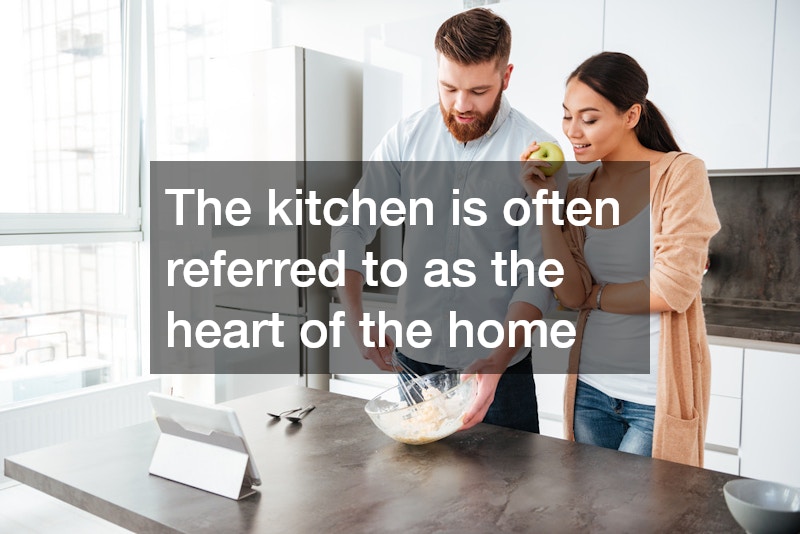
The kitchen is often referred to as the heart of the home, and its countertops are crucial to its functionality and appeal. One primary sign that it’s time for new kitchen countertops is visible wear and tear. Cracks, stains, and scratches can detract not only from the kitchen’s aesthetic appeal but also from its practicality. These blemishes can indicate not just a visual issue but also functional problems, where bacteria and mold might develop. Therefore, assessing the physical condition regularly is essential to decide whether a change is overdue.
Age also plays a significant role in determining whether new kitchen countertops are needed. As materials age, they naturally become more susceptible to damage. Even with the best care and maintenance, materials such as laminate and tiles are likely to show signs of aging sooner than sturdier stones. Furthermore, aged countertops might not match the decor of a kitchen that has undergone other updates. For those who’ve recently renovated their kitchen but kept their old countertops, a switch might be worth considering to achieve a cohesive style.
In addition, changing lifestyle needs can prompt a reevaluation of existing countertops. With the rise of at-home dining and entertaining, kitchens have become bustling activity hubs. Adequate space and hygiene are paramount. Countertops made from outdated materials might not offer the hygienic surface modern families require. Thus, opting for materials that are easier to clean and maintain becomes not just a desire but a necessity for those looking to maintain a safe and functional kitchen environment.
Benefits of Modern Countertop Materials
Upgrading to modern countertop materials comes with several advantages that appeal to different homeowner needs. High on the list is the impressive durability offered by these materials. Options like quartz and granite are known for their resistance to scratches, heat, and stains, making them a practical choice for busy kitchens. Their robust qualities stand up to the rigors of daily use, offering long-term value by reducing the need for frequent replacements. This makes investing in new kitchen countertops a wise decision for longevity and sustainability.
Aesthetic versatility is another compelling benefit modern materials provide. Whether a homeowner seeks a sleek, contemporary finish or prefers a more traditional, warm ambiance, the choices are virtually unlimited. Materials like marble offer a timeless appeal, while recycled glass can introduce a pop of color and creativity. Furthermore, these materials can mimic the look of more expensive options, providing a luxe appearance at a fraction of the cost. This allows homeowners to design the kitchen of their dreams without breaking the bank.
Maintenance is another area where modern countertop materials excel. Unlike their predecessors, which often required sealing, polishing, or were prone to absorbing stains, modern surfaces offer easier upkeep. Materials like quartz are non-porous, requiring only mild soap and water for cleaning. This ease of maintenance appeals greatly to homeowners living fast-paced, active lifestyles. Not only do these surfaces simplify daily routines, but they also ensure kitchens remain spotless and sanitary with minimal effort.
Making Sustainable Choices
As awareness around environmental impact grows, more homeowners are inclined to make eco-friendly choices with kitchen countertops. Recycled and sustainably sourced materials are gaining traction as responsible alternatives to traditional options. Materials such as bamboo or recycled glass are not only aesthetically pleasing but also reflect ethical consumer behavior. This expansion beyond the typical offerings allows homeowners to contribute positively to the environment, all while enjoying beautifully crafted countertop solutions.
Incorporating sustainable materials into kitchen countertops doesn’t mean a compromise on style or durability. Engineered stone, another sustainable selection, comes with the added benefits of being both long-lasting and trend-forward. These modern materials are designed to look and feel superior while reducing environmental footprints. With the world moving towards more eco-conscious building practices, opting for a sustainable countertop can be both trend-setting and environmentally insightful. Thus, choosing these options benefits both homeowners and the planet.
Furthermore, the push for sustainability has led to innovations that enhance the everyday experience within the kitchen. Modern advancements mean sustainable materials now rank equally with traditional counterparts in terms of functionality and aesthetics. Benefits extend past environmental impact, as these materials frequently carry certifications and meet stringent health and safety standards. As a result, homeowners gain peace of mind, understanding that they provide healthier environments for their families. Therefore, transitioning to sustainable kitchen countertops is indeed a win-win situation.