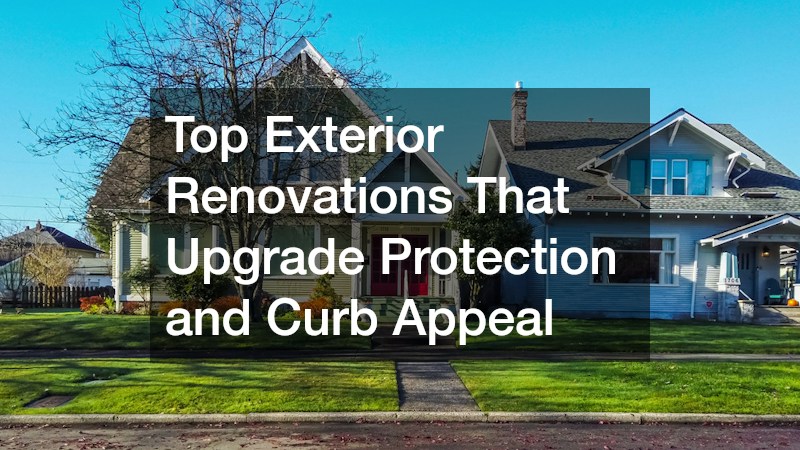
Top Exterior Renovations That Upgrade Protection and Curb Appeal
Executing a comprehensive home renovation requires looking beyond internal layout changes and surface cosmetic finishes to prioritize the structural shell that shields your living environment from environmental stress. The exterior envelope—comprising the roof structure, rainwater catchment channels, and subsurface drainage pathways—serves as your property’s first defense against torrential rain, winter ice, high winds, and solar radiation. When any component within this protective network degrades or fails, moisture slowly infiltrates interior spaces, leading to wood rot, ruined insulation, toxic mold growth, and compromised foundation footings. A holistic exterior overhaul ensures that every layer, from top-tier roof shingles down to ground-level drainage channels, works as a synchronized weatherproofing system.
Upgrading your home’s primary weather barriers delivers substantial dividends in structural longevity, daily energy efficiency, and overall market valuation. Modern, high-performance exterior materials offer superior impact resistance and thermal regulation while dramatically elevating front-facing curb appeal. However, simply replacing surface shingles without addressing how water flows off eaves and away from foundation walls leaves your property vulnerable to severe erosion, flooded basements, and soil settling. Combining high-grade roof assemblies with custom seamless gutters and advanced ground-level drainage solutions guarantees complete, multi-tiered protection for your entire estate.
Achieving a durable, seamless exterior renovation depends on choosing proven building materials and partnering with accredited installation specialists who understand local climate demands and regional building codes. Investing in quality craftsmanship across every phase of your exterior remodel prevents premature material failure, lowers ongoing maintenance costs, and protects the substantial equity tied up in your real estate investment. By taking a proactive, top-to-bottom approach to property care, you can create a safe, resilient, and visually striking home that stands strong through every seasonal climate shift.
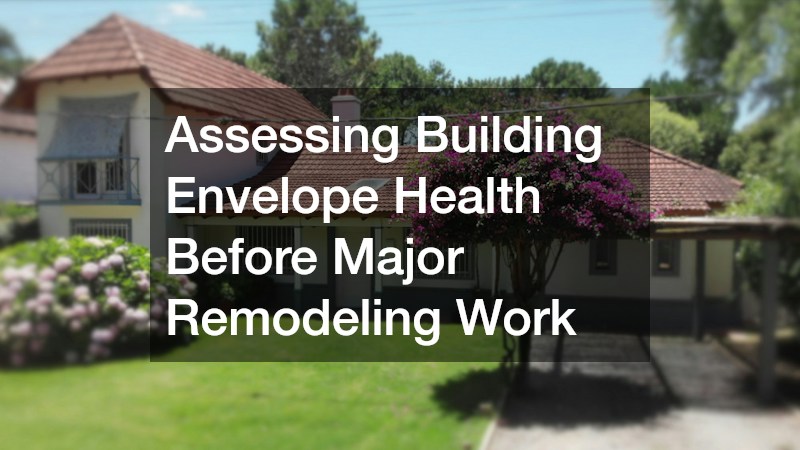
Assessing Building Envelope Health Before Major Remodeling Work
Before committing capital to major exterior redesigns, home sellers and renovators must conduct a thorough diagnostic check of the existing structural framework. Evaluating the condition of roof decking, rafter stability, attic ventilation intake, and historical water pathways helps identify hidden vulnerabilities before new materials are installed. Ignoring minor structural decay beneath surface layers often leads to unexpected project delays and expensive change orders during construction.
Engaging an accredited roofing service allows homeowners to receive a comprehensive diagnostic evaluation of their home’s upper structure. Certified inspectors examine attic framing for water staining, check for soft spots in wood sheathing, and verify that eave ventilation operates without obstruction. Establishing a sound, verified structural base ensures that subsequent upgrades to shingles, gutters, and siding are supported by a dry, stable framework.
Thorough pre-renovation assessments eliminate guesswork and establish a clear scope of work for your exterior transformation. Catching hidden wood rot or poor attic ventilation early protects new material investments from premature degradation. Systematic evaluation forms the foundation of a successful, long-lasting exterior overhaul.
Selecting Skilled Regional Craftspeople for Structural Integrity
Executing high-altitude exterior installations requires specialized mechanical skills, rigorous adherence to safety standards, and deep familiarity with regional weather patterns. Substandard installation techniques—such as incorrect fastener placement, poor flashing integration, or miscalculated roof pitch dynamics—can cause immediate water leaks, void material warranties, and compromise home safety during severe storms.
Hiring verified local roofers ensures that every phase of your overhead renovation adheres strictly to regional wind-resistance ratings, ice-dam prevention protocols, and municipal building codes. Qualified local tradespeople bring specialized equipment and experienced crews who understand how local freeze-thaw cycles impact building materials. Their professional craftsmanship guarantees that every shingle course lies flat, stays secure, and sheds water effectively.
Partnering with established local craftspeople provides essential confidence that your home’s main defense is built to handle severe climate events. Local crews operate efficiently while maintaining clean, safe job sites to protect surrounding garden beds and hardscapes. Superior workmanship ensures your exterior renovation stands up to years of weather exposure.

Evaluating Comprehensive System Estimates Across Established Contractors
A major exterior renovation demands careful financial planning, clear operational communication, and an accurate understanding of material grades, labor warranties, and construction schedules. Requesting itemized written estimates from multiple accredited businesses allows homeowners to compare material quality, safety records, and pricing structures objectively before signing contracts.
Evaluating detailed proposals from reputable residential roofing companies helps homeowners verify that contractors carry adequate liability insurance, active state licenses, and workers’ compensation coverage. Professional estimates explicitly detail costs for tearing off old materials, replacing compromised wood decking, installing synthetic underlayments, and clearing site debris upon completion. Reviewing these itemized breakdowns guarantees that your selected renovation plan aligns with your budget and quality standards.
Thorough proposal evaluation protects property owners from unexpected fees, substandard materials, and contractor dispute risks. Vetting established business practices allows you to read past customer reviews and confirm manufacturer installation certifications. Operational transparency ensures a smooth, stress-free construction experience.
Resolving Localized Surface Defects to Preserve Interior Structural Framing
Even minor surface damage, such as a single cracked shingle tab or a separated flashing joint around a chimney or plumbing vent, can allow wind-driven rain to infiltrate internal wall cavities. Once moisture penetrates the outer skin, it migrates along framing members, dampening insulation, rotting wood studs, and creating ideal conditions for mold growth behind interior drywall.
Arranging for a targeted roof repair fixes localized material degradation, replaces broken shingles, and re-seals compromised flashing details before water causes widespread internal damage. Skilled repair technicians use advanced diagnostic techniques to trace moisture pathways back to their entry points, restoring watertight integrity without needing to replace undamaged structural sections. Proactive spot fixes keep maintenance expenses manageable while preserving interior finishes.
Promptly resolving minor surface flaws extends the operational lifespan of your existing protective assembly and delays the need for a premature total replacement. Stopping moisture intrusion keeps interior living spaces safe, dry, and healthy. Consistent spot maintenance delivers vital peace of mind through heavy rainstorms.
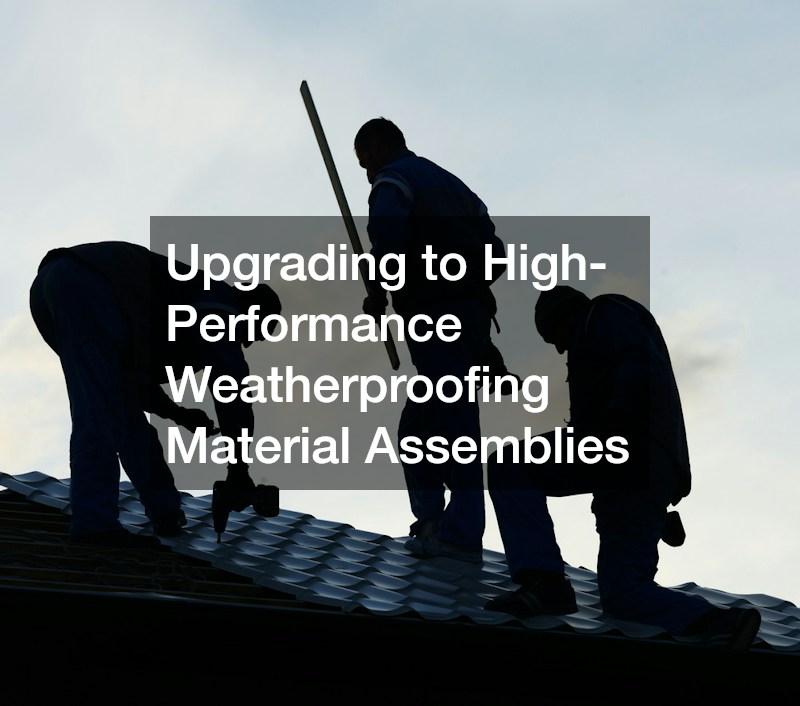
Upgrading to High-Performance Weatherproofing Material Assemblies
Modern overhead weatherproofing relies on engineered material assemblies where distinct layers work together to insulate your living space and shed heavy rain. High-performance dimensional asphalt shingles, synthetic slate tiles, or standing-seam metal panels form the visible outer barrier, while self-adhering ice-and-water membranes protect vulnerable valleys and eave edges against backing-up water caused by winter ice dams.
Investing in premium roofing components ensures that your home benefits from balanced attic airflow, reduced heat absorption, and exceptional impact resistance against severe hail. Tear-resistant synthetic underlayments provide a secondary waterproof barrier beneath surface panels, while high-capacity ridge vents allow trapped attic heat and humidity to escape safely. Proper thermal regulation prevents interior condensation from dampening rafter insulation during winter months.
Understanding how individual weatherproofing components function empowers homeowners to select high-tier material options that carry extended manufacturer warranties. Upgrading to engineered systems increases home energy efficiency and lowers seasonal utility costs. Advanced material assemblies deliver long-term weather security.
Partnering with Specialized Nearby Technicians for Precise Installation
Executing complex architectural designs—such as steep gables, multi-level dormers, or integrated skylight transitions—demands working with an installer who possesses specialized technical expertise. Improperly sealed architectural features are prime locations for water intrusion during heavy, wind-driven storms.
Working with an experienced local roof installer guarantees that every edge, valley, and wall flashing transition is fitted with precision. Nearby installation specialists bring dedicated experience with local home designs and regional weather challenges, ensuring that flashing details and underlayment layers overlap correctly. Their physical presence within the community ensures fast project completion and accessible post-installation support.
Choosing a dedicated nearby specialist ensures your exterior installation receives focused, personal attention from start to finish. Experienced technicians work carefully around existing home features, protecting gutters, windows, and landscaping during construction. Precision installation guarantees superior durability and exceptional visual appeal.
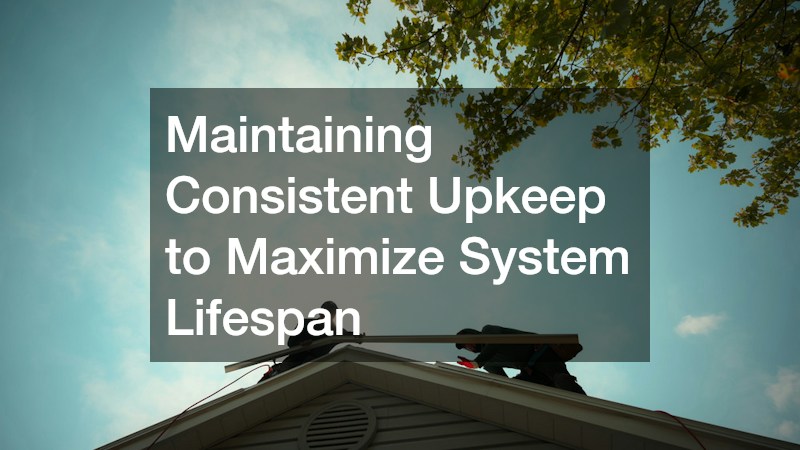
Maintaining Consistent Upkeep to Maximize System Lifespan
Ongoing seasonal exposure to freezing temperatures, intense solar UV radiation, and severe windstorms causes exterior materials to age continuously. Over time, sealants dry out, fasteners loosen, and organic debris accumulates in roof valleys, creating localized damp spots that accelerate material breakdown.
Scheduling routine roof repairs immediately following severe weather events secures loose materials, re-seals flashing joints, and replaces damaged shingles before minor wear turns into widespread structural rot. Documenting regular upkeep maintains active manufacturer material warranties and provides clear records of property care for future real estate transactions. Smart maintenance preserves the physical condition and market value of your home.
Establishing a disciplined upkeep schedule prevents minor surface issues from escalating into costly emergency replacements. Keeping structural surfaces clear of moss and debris allows rainwater to drain freely off the roofline. Proactive seasonal care maximizes the return on your exterior renovation investment.
Managing Roof Water Runoff with Custom Seamless Gutter Systems
A complete exterior renovation must address how water is handled once it leaves the roof edge. High-volume rain runoff flowing unchecked off eave lines can wash away ground landscaping, erode topsoil around foundation walls, and seep into basement walls, causing structural cracking and interior flooding.
Hiring a qualified local gutter contractor ensures that custom-formed seamless gutters are measured, pitched, and mounted securely along your eave lines. Experienced gutter specialists calculate total roof surface areas and rainfall intensity to determine optimal channel widths and downspout placements, ensuring heavy storm water is swept cleanly off the roof. Precision pitch adjustments prevent standing water, which can attract mosquitoes or cause winter ice dams.
Installing properly sized seamless gutters protects exterior siding from water splash-back and prevents soil erosion along your home’s perimeter. Custom gutter channels integrate cleanly with your roofline, creating a neat, finished appearance that elevates overall curb appeal. Expert water management protects both upper and lower building structures.
Upgrading to Durable Corrosion-Proof Gutter Materials
Standard sectional aluminum or vinyl gutters often develop leaks at seam joints over time, warping under heavy winter snow loads or cracking after prolonged UV exposure. Leaking or sagging gutter channels allow concentrated streams of water to pour directly onto foundation footings and exterior wall cladding.
Partnering with a local fiberglass gutter company allows homeowners to upgrade to high-strength, seam-free gutter systems that offer superior impact resistance and complete corrosion protection. Premium fiberglass channels withstand extreme temperature shifts without expanding or contracting, eliminating joint leaks and resisting rust, rot, and denting. Their rigid structural design supports heavy ice and snow loads without sagging or pulling away from fascia boards.
Upgrading to corrosion-proof fiberglass gutters provides a multi-decade drainage solution that requires minimal ongoing maintenance. Smooth interior channel surfaces resist organic debris buildup, keeping water flowing freely toward downspouts during heavy downpours. Premium gutter materials elevate exterior aesthetics while protecting your foundation from water damage.
Redirecting Subsurface Water to Safeguard Home Foundations
Collecting roof runoff in eave gutters is only the first step in total property water management; that water must be directed safely away from the home’s foundation. Downspouts that discharge rainwater directly at the base of exterior walls allow water to pool against concrete footings, increasing hydrostatic pressure and forcing moisture through basement walls or slab floors.
Installing underground french drains creates an efficient subsurface drainage network that catches heavy downspout discharge and ground surface water, piping it safely away from home foundations toward municipal storm drains or low-lying discharge zones. Perforated drainage pipes wrapped in filter fabric and buried in gravel trenches collect migrating groundwater before it can saturate perimeter soils. Subsurface drainage prevents soil expansion, foundation settling, and basement water intrusion.
Integrating underground drainage with your overhead gutter system completes your home’s water-management defense network. Keeping perimeter soil dry preserves foundation strength and prevents interior basement moisture issues. Comprehensive drainage planning safeguards your entire real estate investment for decades to come.
Following overhead installation, partner with custom gutter specialists to fabricate and mount seamless, high-capacity gutter channels that are precisely pitched to carry heavy rain runoff toward downspouts. Finally, connect downspout terminations directly to an underground subsurface drainage network, such as buried French drains, to carry water well away from foundation footings and basement walls. Keep itemized receipts, contractor completion certificates, and transferable material warranties organized to document your property’s enhanced value and structural safety.
Taking a disciplined, multi-tiered approach to exterior home renovation transforms your property into a weather-resistant, energy-efficient sanctuary. Protecting your home from the roofline down to the foundation safeguards your financial equity, eliminates costly water damage risks, and ensures your living space remains secure, comfortable, and visually striking through every season.