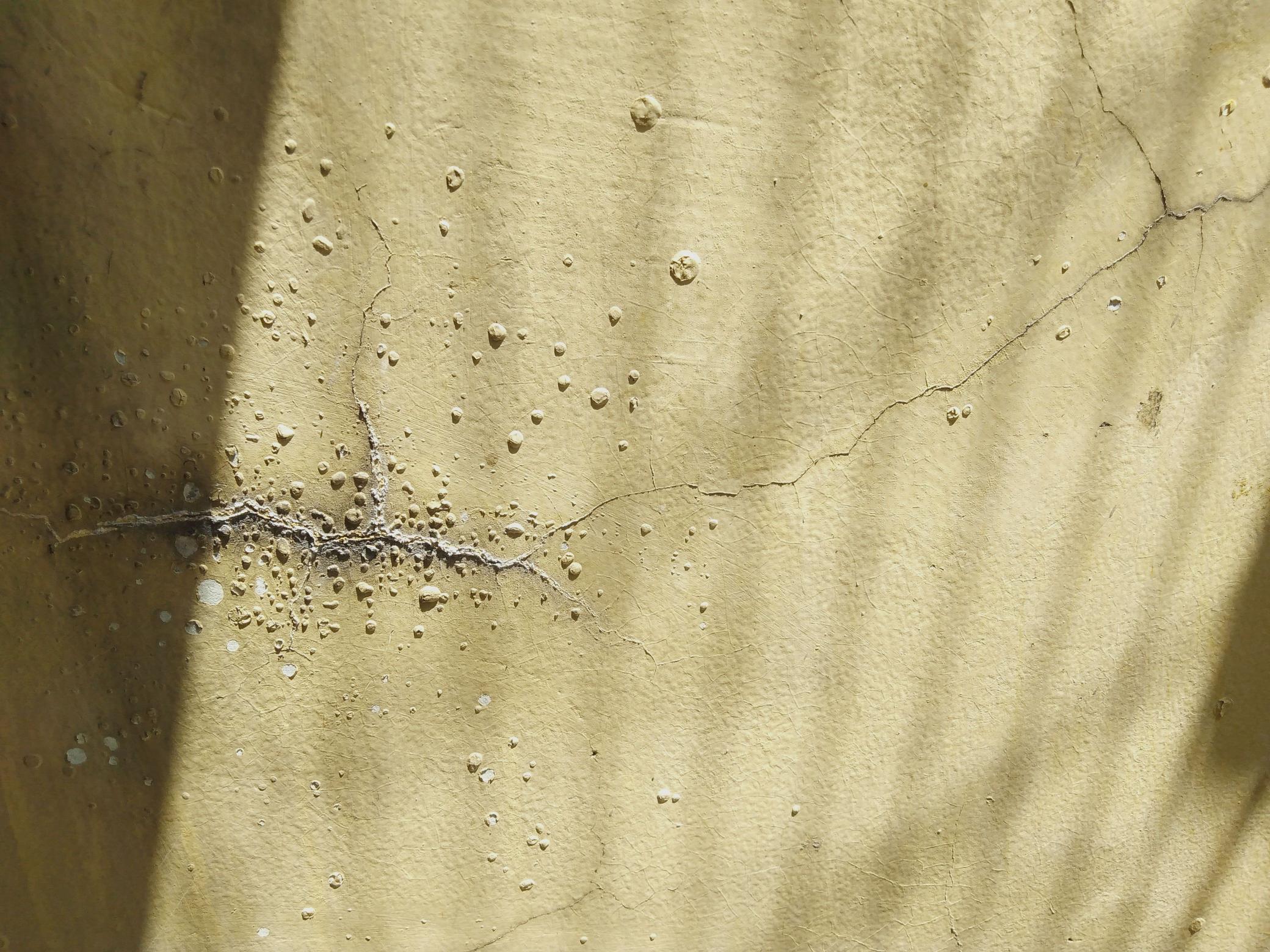
Cracks in Walls: What They Mean and When to Worry
Key Takeaways
- Not all wall cracks indicate serious problems; many are caused by normal settling, temperature changes, or minor material movement.
- The location, size, direction, and growth of a crack can help determine whether it is cosmetic or potentially structural.
- Horizontal, stair-step, widening, or water-related cracks often require closer inspection and may signal foundation concerns.
- Moisture issues, poor drainage, and shifting soil conditions are common contributors to wall cracking.
- Regular monitoring with photos and measurements can help homeowners identify whether cracks are becoming more severe over time.
- Addressing the underlying cause of a crack is more important than simply covering it with paint or patching materials.
- Early evaluation and repairs can help prevent more extensive structural damage and protect property value.
Discovering a crack in a wall can be unsettling for any homeowner. Whether it appears above a doorway, stretches across a ceiling, or runs down a basement wall, a crack often raises concerns about the condition of the home. Many people immediately wonder if the crack is a sign of serious structural damage or simply a normal part of a house settling over time.
The truth is that not all wall cracks are cause for alarm. Homes naturally expand, contract, and settle as they age. Small cracks can develop due to temperature changes, humidity fluctuations, and minor foundation movement. However, some cracks can signal more significant problems that require professional attention.
Understanding the different types of wall cracks and knowing when to take action can help homeowners protect their property and avoid costly repairs. This guide explains the common causes of wall cracks, which cracks are usually harmless, and when it may be time to call an expert.
Why Do Cracks Appear in Walls?
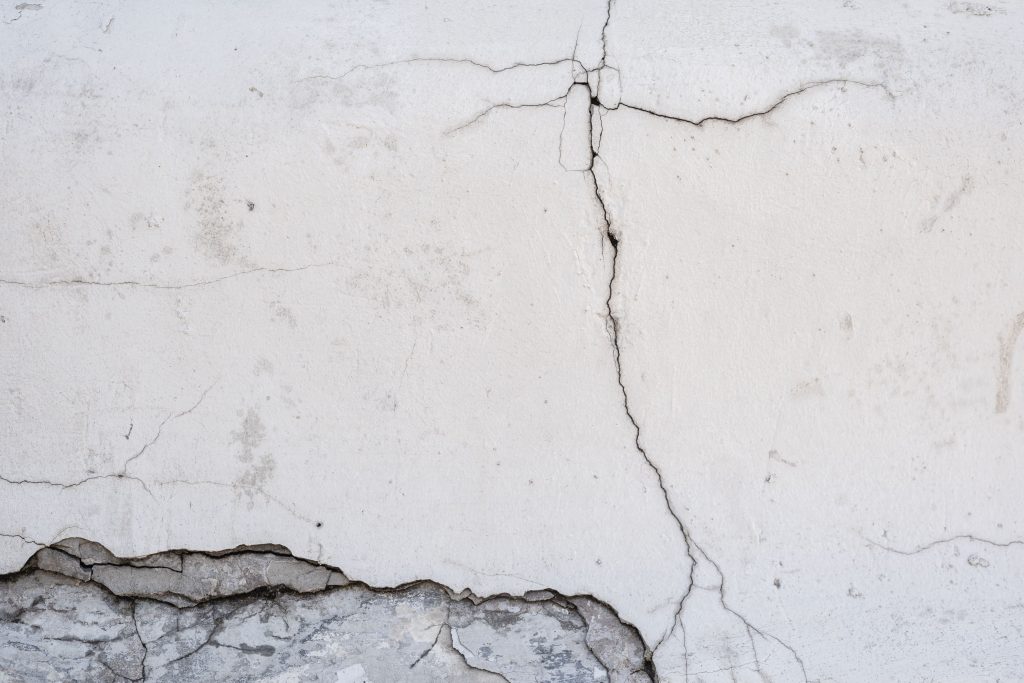
Walls can crack for many reasons.
Common causes include:
- Natural settling
- Temperature changes
- Humidity fluctuations
- Foundation movement
- Water damage
- Construction issues
- Structural stress
The age of the home, local climate, and soil conditions can all influence how and when cracks develop.
Understanding the cause is the first step toward determining whether a crack is serious.
The Difference Between Cosmetic and Structural Cracks
Wall cracks generally fall into two categories:
Cosmetic Cracks
These are typically:
- Small
- Shallow
- Stable over time
Cosmetic cracks usually affect appearance rather than structural integrity.
Structural Cracks
These may indicate:
- Foundation problems
- Significant movement
- Load-bearing issues
Structural cracks often require professional evaluation.
Knowing the difference can help homeowners decide how urgently repairs are needed.
Hairline Cracks
Hairline cracks are among the most common types of wall cracks.
Characteristics include:
- Very thin appearance
- Short length
- Minimal depth
They often develop due to:
- Drying of paint
- Shrinkage of drywall compound
- Minor settling
In many cases, hairline cracks are cosmetic and easy to repair.
Settlement Cracks
Most homes experience some degree of settling.
As a house adjusts to:
- Soil conditions
- Weight distribution
- Environmental changes
small cracks may appear.
Settlement cracks commonly occur:
- Near windows
- Above doors
- Along drywall seams
Minor settlement cracks are often normal, especially in newer homes.
Vertical Cracks
Vertical cracks run straight up and down.
These are often among the least concerning crack types.
Possible causes include:
- Normal settling
- Drywall movement
- Shrinkage
Small vertical cracks usually do not indicate severe structural issues.
However, monitoring them over time is still important.
Horizontal Cracks
Horizontal cracks deserve closer attention.
They may indicate:
- Foundation pressure
- Soil movement
- Structural stress
Horizontal cracks in basement walls are often more concerning than vertical cracks.
These cracks should be evaluated if they:
- Grow larger
- Bow inward
- Allow water penetration
Diagonal Cracks
Diagonal cracks typically appear at an angle.
They often form:
- Near doors
- Around windows
- At wall corners
Potential causes include:
- Uneven settling
- Foundation movement
- Structural shifting
Some diagonal cracks are minor, while others may indicate more significant movement.
Stair-Step Cracks
Stair-step cracks are commonly seen in brick or masonry walls.
These cracks follow mortar joints in a step-like pattern.
Potential causes include:
- Foundation settlement
- Soil movement
- Structural shifting
Large stair-step cracks often warrant professional inspection.
Ceiling Cracks
Cracks are not limited to walls.
Ceilings may develop cracks due to:
- House settling
- Drywall movement
- Moisture issues
Small ceiling cracks are often cosmetic.
However, large or widening ceiling cracks should be investigated further.
Cracks Around Doors and Windows
Doors and windows are common locations for cracks.
This happens because openings create stress points in walls.
Minor cracks may result from:
- Seasonal movement
- Settling
However, cracks accompanied by:
- Sticking doors
- Misaligned windows
may indicate structural movement.
Seasonal Changes and Wall Cracks
Homes expand and contract throughout the year.
Factors include:
- Temperature changes
- Humidity levels
- Soil moisture variations
Seasonal movement can cause small cracks to appear and disappear.
This type of movement is often normal.
Moisture-Related Cracks
Water can significantly affect building materials.
Excess moisture may cause:
- Expansion
- Swelling
- Material deterioration
When moisture levels change, cracks may develop.
Water-related cracks often require addressing the underlying moisture problem first.
Foundation Movement
The foundation supports the entire home.
When foundations move, walls often show signs of stress.
Common causes include:
- Soil settlement
- Expansive clay soils
- Poor drainage
- Tree root activity
Foundation-related cracks deserve careful monitoring.
Signs a Crack May Be Serious
Certain warning signs suggest that a crack requires professional attention.
These include:
- Rapid growth
- Significant width
- Horizontal orientation
- Water infiltration
- Wall bowing
- Multiple nearby cracks
The presence of several warning signs increases the likelihood of structural concerns.
Measure the Width of Cracks
The size of a crack can provide useful clues.
Small Cracks
Typically:
- Less than 1/8 inch wide
Often cosmetic.
Larger Cracks
Cracks wider than:
- 1/4 inch
may require closer evaluation.
Wider cracks are more likely to indicate movement or structural stress.
Monitor Cracks Over Time
Not all cracks require immediate repair.
Monitoring can help determine whether movement is ongoing.
Methods include:
- Taking photographs
- Measuring crack width
- Recording dates
If a crack continues to grow, further investigation may be necessary.
Check for Water Intrusion
Water entering through cracks can create additional problems.
Potential consequences include:
- Mold growth
- Rot
- Structural damage
Signs of moisture include:
- Staining
- Dampness
- Musty odors
Water issues should be addressed promptly.
Basement Wall Cracks
Basement walls experience pressure from surrounding soil.
This pressure can cause:
- Cracking
- Bowing
- Water infiltration
Basement cracks often deserve closer attention than interior drywall cracks.
Professional evaluation may be appropriate for significant basement wall damage.
Exterior Wall Cracks
Cracks on exterior walls may affect:
- Brick
- Stucco
- Siding
- Concrete
Exterior cracks can expose the home to:
- Moisture
- Pest intrusion
- Weather damage
Regular inspections help identify issues early.
How Soil Conditions Affect Cracks
Soil plays a major role in foundation stability.
Problematic soil conditions include:
- Excess moisture
- Drought conditions
- Expansive clay
Changes in soil volume can cause foundation movement and wall cracking.
Proper drainage helps reduce risk.
Poor Drainage and Foundation Stress
Water pooling near a foundation can create problems.
Possible effects include:
- Soil expansion
- Foundation shifting
- Wall cracking
Homeowners should ensure:
- Gutters function properly
- Downspouts direct water away
- Grading slopes away from the home
Good drainage is a key preventive measure.
Can Tree Roots Cause Cracks?
Large trees near foundations may contribute to movement.
Roots can:
- Remove soil moisture
- Alter soil conditions
In some cases, this may affect foundation stability.
Professional assessment may help determine whether vegetation is contributing to wall cracks.
Cosmetic Repair Options
Small cosmetic cracks are often relatively simple to repair.
Common methods include:
- Joint compound
- Spackling products
- Paint touch-ups
Repairs should only be performed after confirming that movement has stopped.
Otherwise, cracks may reappear.
When Professional Repairs Are Needed

Some cracks require more than cosmetic fixes.
Professional solutions may include:
- Foundation stabilization
- Structural reinforcement
- Waterproofing
- Masonry repairs
The appropriate repair depends on the underlying cause.
The Cost of Ignoring Serious Cracks
Delaying repairs can increase costs.
Potential consequences include:
- Larger structural issues
- Water damage
- Mold growth
- Reduced property value
Addressing problems early is often more affordable.
Wall Cracks and Home Value
Visible wall cracks can affect buyer perception.
Potential buyers may worry about:
- Foundation problems
- Structural issues
- Maintenance neglect
Maintaining walls in good condition helps preserve property value.
Renovations and Crack Repair
Home improvement projects often reveal hidden issues.
Before beginning stylish and functional home improvements, it is wise to inspect walls for signs of movement or damage. Addressing underlying problems first helps ensure that renovation investments last longer.
Repairing structural concerns before cosmetic upgrades can prevent future complications.
Learning From Maintenance Problems
Many homeowners understand the value of preventive care in other areas of life. Just as someone researching how to restore a damaged vehicle would inspect the underlying systems before focusing on appearance, homeowners should identify the cause of wall cracks before making cosmetic repairs.
Fixing symptoms without addressing root causes often leads to recurring problems.
Creating a Long-Term Home Maintenance Plan
Regular inspections can help identify concerns early.
Check:
- Interior walls
- Exterior walls
- Basement areas
- Ceilings
Routine monitoring helps catch changes before they become major issues.
Wall Cracks and Dream Home Goals
For homeowners working toward how to create a dream home, maintaining structural integrity should always be a priority. Beautiful finishes, updated interiors, and decorative upgrades are most effective when the home’s foundation and structural systems remain sound.
A strong, stable home provides the best foundation for future improvements.
Preventing Future Cracks
While not all cracks can be prevented, homeowners can reduce risk by:
- Managing drainage
- Maintaining gutters
- Monitoring moisture levels
- Addressing foundation concerns
- Performing regular inspections
Preventive maintenance often reduces the likelihood of major structural problems.
Common Mistakes Homeowners Make
Ignoring Growing Cracks
Changes over time can indicate active movement.
Painting Over Serious Cracks
Paint may hide symptoms without solving the problem.
Delaying Professional Inspections
Small problems may worsen if ignored.
Assuming Every Crack Is Dangerous
Many cracks are harmless and part of normal settling.
Proper evaluation is important.
When to Call a Professional
Consider professional evaluation if:
- Cracks widen noticeably
- Multiple cracks appear suddenly
- Doors or windows stick
- Walls bow inward
- Water enters through cracks
- Foundation movement is suspected
An expert can determine whether repairs are necessary.
Final Thoughts
Wall cracks are a common part of homeownership, but they should never be ignored completely. While many cracks are cosmetic and result from normal settling or seasonal movement, others can signal more serious structural concerns.
Understanding the type, size, location, and behavior of a crack can help homeowners determine the appropriate response. Monitoring cracks, addressing moisture issues, maintaining proper drainage, and seeking professional guidance when needed are all important steps in protecting a home.
By staying proactive and informed, homeowners can identify potential problems early, preserve property value, and maintain a safe, stable, and comfortable living environment for years to come.